What is the result of reclamation?
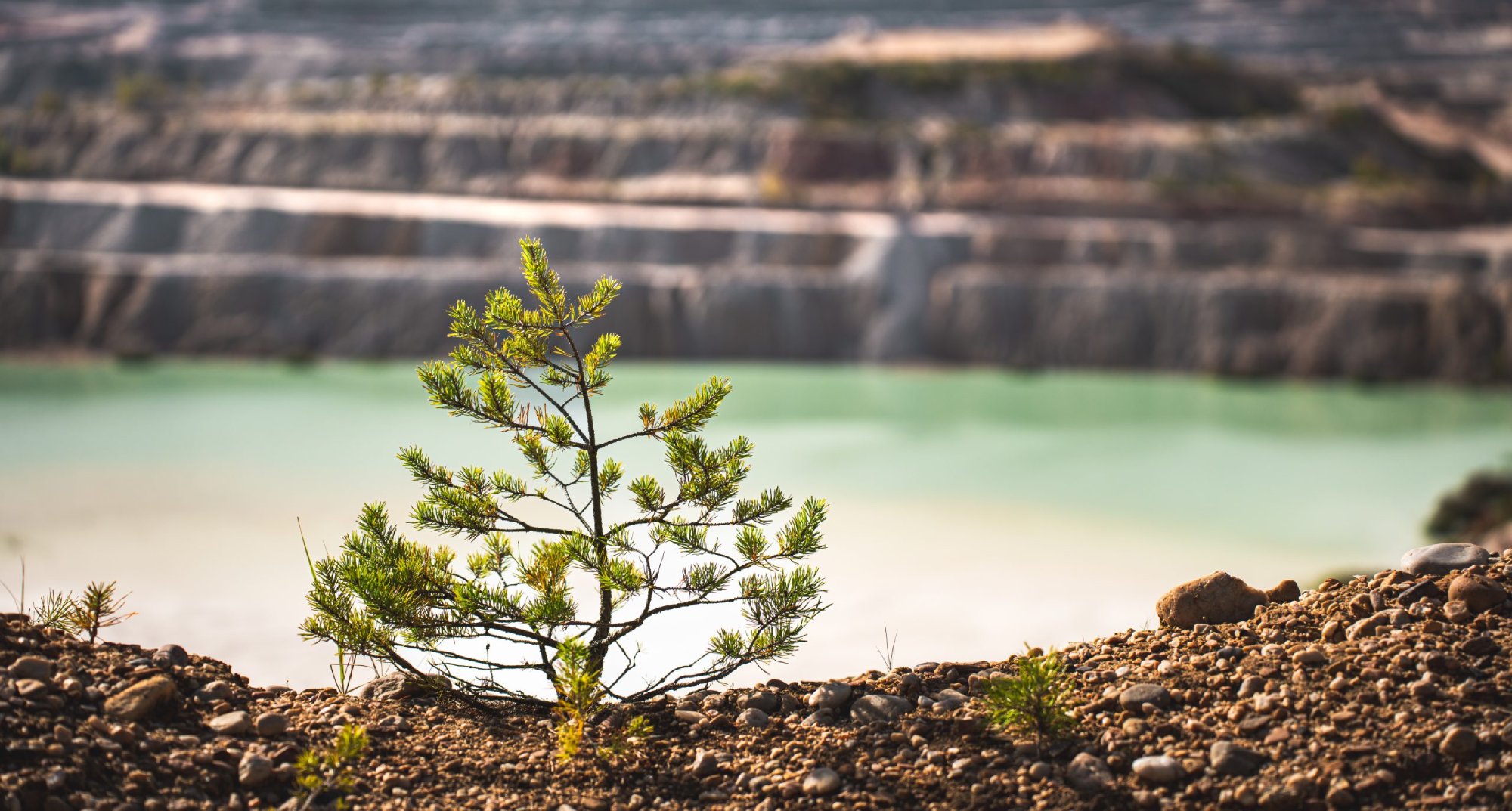
The result can be a forest, a field, a body of water or an area used for recreation.
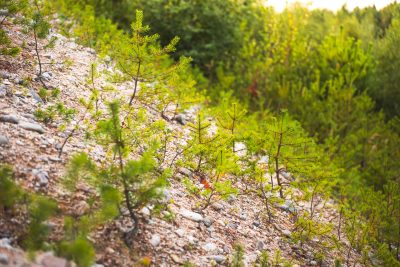
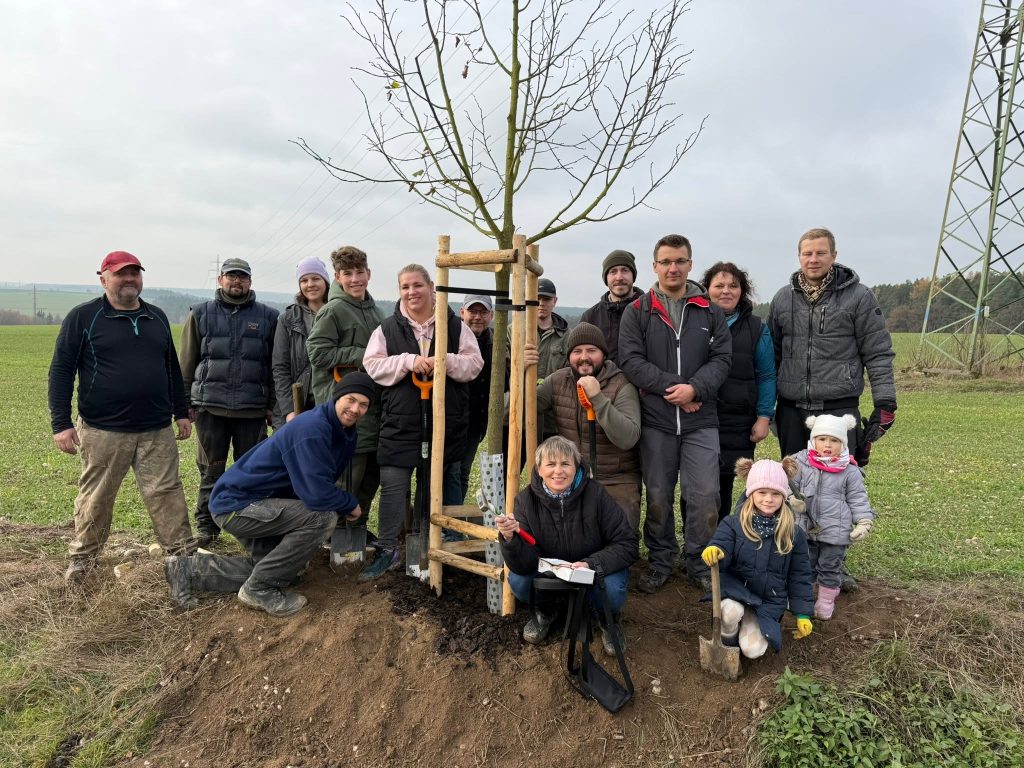
The basis of forestry reclamation is a suitable design of the species composition of the future stand. In the past, monoculture stands were established on reclaimed areas, often consisting only of Norway spruce or other single species. Today the trend is different. Great emphasis is placed on the diversity and resilience of the future stand. Site-native and geographically native tree species are used, so that the species composition is as close to the original and as varied as possible.
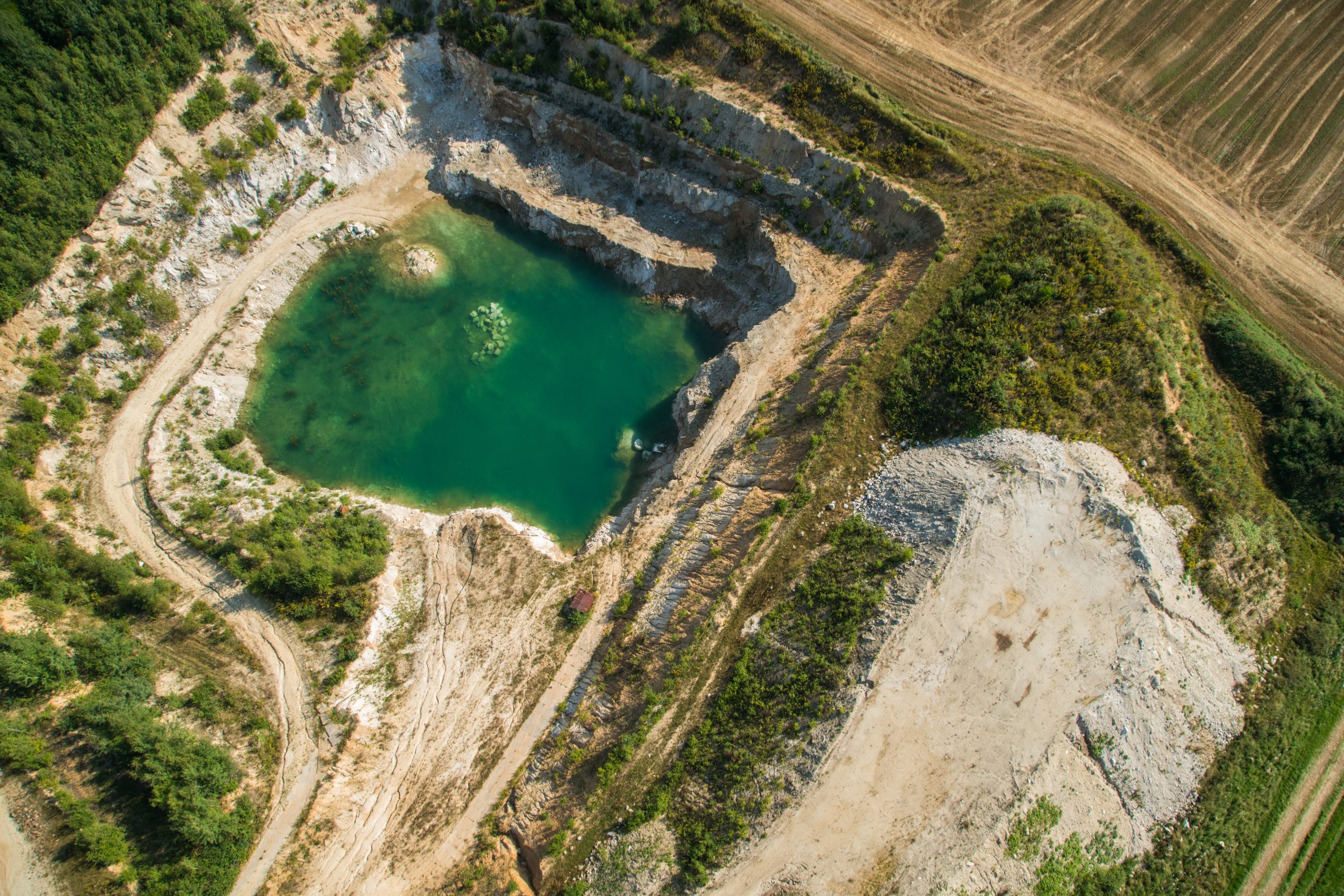
The result of hydric reclamation is the creation of artificial lakes, small water bodies – wetlands – and other water systems. The creation of larger water bodies gives rise to strong ecosystems capable of positively influencing their immediate surroundings. They serve as a refuge for many animals and plants, and are also a significant water reservoir.
If the site of extraction was originally a field or other agricultural land, there is often a requirement to reclaim it back to land that can once again be used for agriculture.
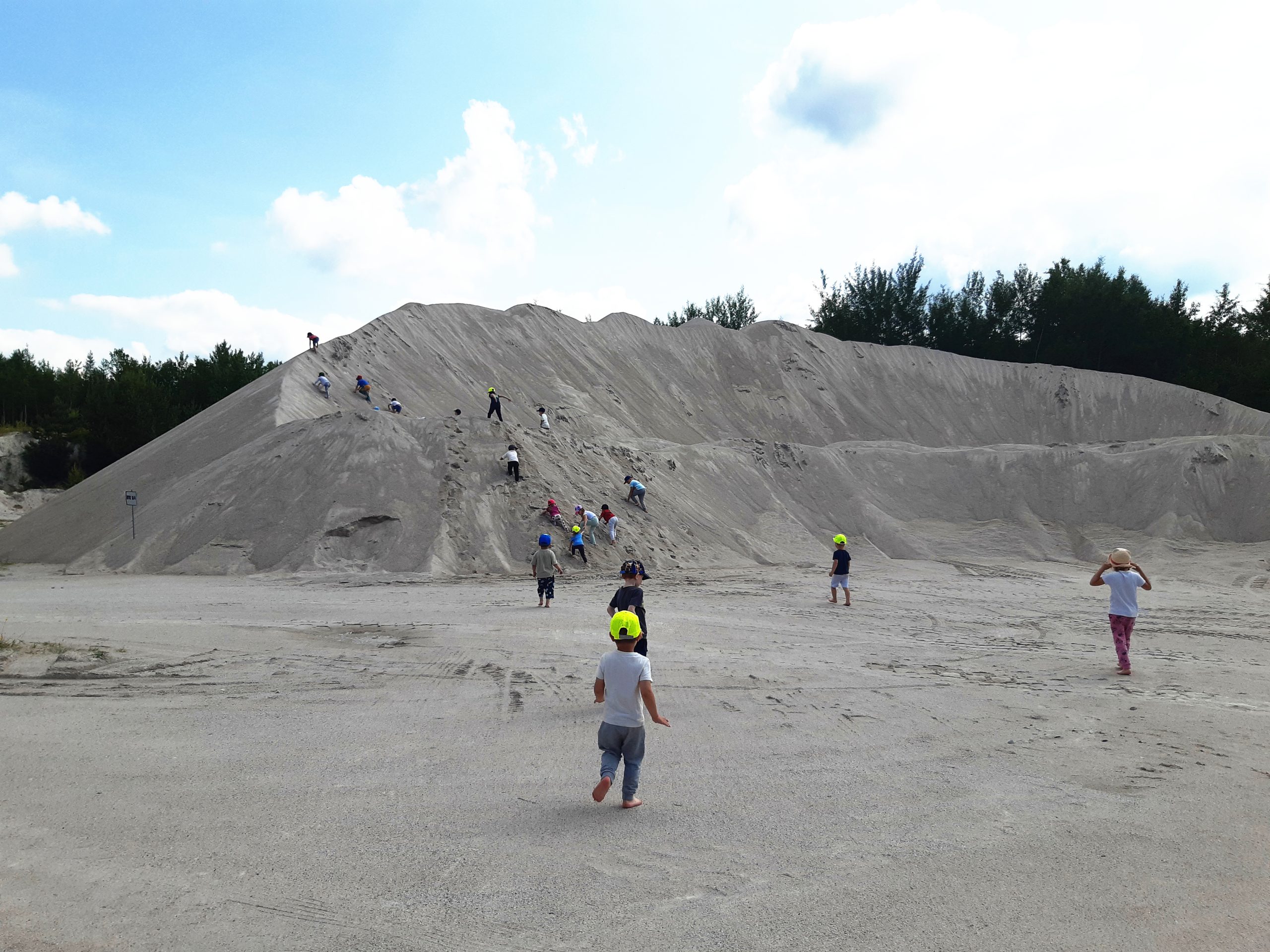
Near-natural reclamation is a new trend that significantly respects the requirements of animals and plants when restoring the landscape, so that new biotopes emerge that are as natural as possible. The basis of near-natural reclamation is the creation of varied and diverse terrain once extraction has ended, so that the area prepared in this way can be used as effectively as possible by a greater number of animal and plant species.
The reclamation of extracted areas takes considerable effort and is financially demanding.
The areas created by reclamation can offer new development for the region. They contribute to retaining water in the landscape and to increasing the appeal of the area for animals, plants and people alike.